
Toll payments may happen on the road, but much of the work they create lands in the back office.
When fleets rely on multiple toll accounts, mailed notices, spreadsheets and manual reconciliation, staff can spend valuable time tracking transactions, matching charges to vehicles and resolving exceptions. Delayed invoices and incomplete information can also make it harder to close the books, assign costs, and identify problems before additional fees appear.
Automated toll payment solutions bring those tasks into a more consistent workflow. By centralizing transactions, payment activity, and reporting, fleets can spend less time administering tolls and more time supporting the operation.
Identify where manual toll workflows create delays.
A manual toll process often involves several disconnected steps:
- Collecting invoices or notices from multiple tolling authorities.
- Matching each transaction to the correct vehicle.
- Confirming vehicle ownership or lease status on the transaction date.
- Checking whether a toll was paid through another account.
- Coding charges to the appropriate terminal, customer or cost center.
- Contacting tolling authorities when a charge appears incorrect.
Each handoff creates an opportunity for missing information, duplicate work, or delayed payment.
The complexity is partly driven by the structure of U.S. tolling. The Federal Highway Administration notes that nationwide electronic toll interoperability continues to involve technological, operational, and institutional challenges. For fleets operating across regions, that can translate into different systems, rules and account requirements.
Automation helps create a more unified process even when the underlying tolling environment remains fragmented.
Consolidate billing and speed up reconciliation.
One of the clearest benefits of automated toll payment is consolidated billing.
Instead of gathering separate statements and entering charges from multiple sources, accounting teams can review toll activity in one place. A centralized record makes it easier to:
- Reconcile toll transactions against fleet activity.
- Allocate expenses to vehicles or business units.
- Research unusual charges.
- Prepare internal reports.
- Maintain documentation for audits and customer billing.
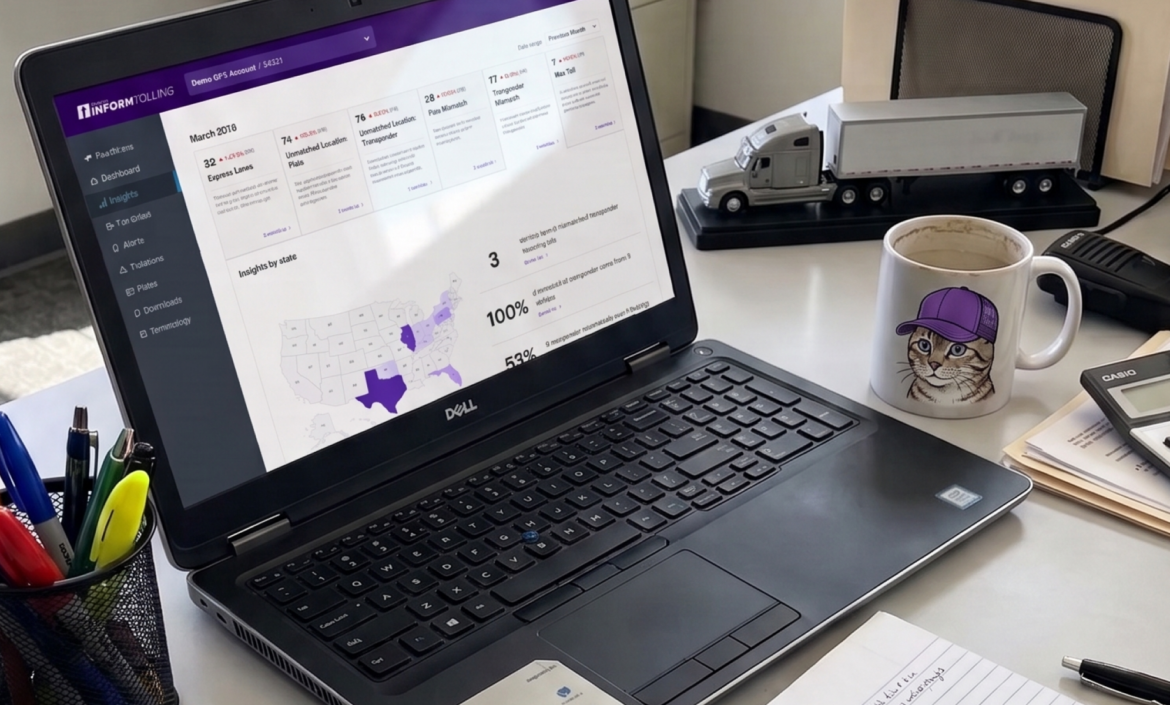
PrePass® Toll Management provides one statement for nationwide tolling, along with toll reporting and dispute support. INFORM™ Tolling gives fleets visibility into toll activity through a centralized dashboard.
This does not eliminate the need for oversight. It gives staff a more organized starting point, reducing the time spent gathering information before meaningful review can begin.
Resolve disputed charges with better information.
Disputes become more difficult when staff must search through driver logs, routes, receipts and vehicle records to determine whether a charge is valid.
Automated systems can make supporting information easier to access. PrePass GPS Toll Verification, for example, compares vehicle location data with toll transactions to help confirm whether a vehicle was near the toll location when the charge occurred. When data indicates a possible billing discrepancy, fleets can use that information to support further review or a dispute.
This can shift the process from manually investigating every questionable transaction to focusing staff attention on exceptions that warrant review.
Reduce toll violations before they become larger problems.
Violations can occur for several reasons, including an outdated license plate, an unfunded account, a missing or improperly assigned transponder, or a delay in receiving and processing a notice.
Manual workflows may allow those issues to remain unnoticed until a mailed violation reaches the fleet. By then, the original toll may be accompanied by administrative fees, and staff must determine what happened, gather documentation and coordinate resolution.
Automated toll payment solutions can reduce this risk by improving account visibility and helping fleets monitor vehicle and transaction activity more consistently. PrePass also offers violation monitoring and resolution services designed to help tolling customers identify and manage violations.
For fleet teams, the operational benefit is not simply avoiding a fee. Fewer violations can mean fewer notices to research, fewer interruptions for drivers, and less administrative follow-up.
Choose automation that supports fleet oversight.
Not every automated toll solution provides the same level of visibility. Fleet leaders evaluating their options should consider whether a solution can:
- Support the fleet’s operating footprint.
- Consolidate toll activity and billing.
- Provide vehicle-level transaction details.
- Flag possible violations or billing discrepancies.
- Support dispute management.
- Offer reporting that finance and operations teams can use.
- Scale as vehicles are added, sold, leased or reassigned.
The goal is not to remove people from the process. It is to give them cleaner data and a more manageable workflow.
Turn toll administration into a controlled process.
Manual toll management can create work long after a truck passes through a toll point. Invoices must be collected, transactions reviewed, charges allocated, and violations resolved.
Automated toll payment solutions help bring those activities into a centralized, repeatable process. With consolidated billing, stronger transaction visibility and tools for managing disputes and violations, fleets can reduce administrative friction while maintaining appropriate oversight.
See how PrePass® Toll Management can simplify toll payments, reporting and violation management for your fleet.
Frequently asked questions.
How do automated toll payment solutions work?
They use an account connected to a transponder, license plate, or other supported technology to record and pay toll transactions electronically. Fleet management tools can then consolidate the resulting transaction and billing data.
Can automated toll payment reduce violations?
It can help reduce preventable violations by improving payment consistency, account monitoring, and visibility into vehicle information. Fleets still need to keep account balances, license plates, and vehicle assignments current.
How does automation make toll disputes easier?
Centralized transaction records and verification tools can help staff investigate questionable charges more efficiently and gather information to support a dispute.
Are automated toll solutions useful for smaller fleets?
Yes. Small and midsize fleets may have fewer administrative employees, making it especially valuable to reduce repetitive toll reconciliation and violation work.